Get Found on Google & ChatGPT

September 19, 2024
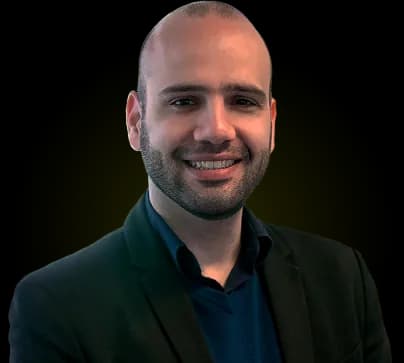
Dr. Ali Khademhosseini: Transforming Scientific Discoveries into Practical Innovations
According to Iranian Podcast:
Dr. Ali Khademhosseini is widely recognized as a pioneering force in the fields of bioengineering and regenerative medicine. His career, marked by remarkable scientific achievements and entrepreneurial ventures, reflects a passionate dedication to bridging the gap between laboratory research and tangible real-world solutions. Recently, he shared his experiences, insights, and vision for the future of science.
Early Life and Academic Foundations
Dr. Khademhosseini’s remarkable journey began when he was just eleven years old, leaving his homeland of Iran to settle in Canada. This major life change set the stage for a career characterized by adaptability and a thirst for knowledge. Initially, he pursued chemical engineering at the University of Toronto. However, his growing enthusiasm for research and innovative technologies soon led him to shift his focus toward bioengineering; a field that combines biology, engineering, and materials science to create novel medical solutions.
The Crucible of Research at MIT
His professional path was profoundly shaped during his doctoral studies at the Massachusetts Institute of Technology (MIT), where he worked under the guidance of Professor Robert Langer. Langer’s reputation as a trailblazer in tissue engineering preceded him, and Dr. Khademhosseini regards him not merely as a supervisor but as a mentor who exemplified hard work, humility, and intellectual brilliance. This mentorship had a lasting influence, shaping Dr. Khademhosseini’s approach to research and innovation.
Academic Tenure and Industry Insights
Following his PhD completion in 2005, Dr. Khademhosseini held academic positions at both MIT and Harvard, where he concentrated on developing biomaterials and engineered tissues designed for medical applications. In 2017, he made a significant move to Los Angeles to join UCLA. Soon thereafter, he founded the Terasaki Institute for Biomedical Innovation; an independent research hub dedicated to transforming scientific knowledge into real-world health solutions.
A unique aspect of his career is the year he spent working at Amazon, which provided him with a firsthand understanding of how large corporations operate. This experience expanded his perspective on organizational culture and efficiency, equipping him to build the Terasaki Institute with a focus on practical outcomes rather than purely academic achievements.
Championing Translational Science
Dr. Khademhosseini has often highlighted a major shortcoming within academic science: the insufficient emphasis on translating research into products that directly benefit people. To counter this, his institute is committed to translational science, ensuring that research projects are designed with real-world problems in mind. If successful, these projects can evolve into startups or medical devices that improve patient care.
He believes that by establishing clear, structured pathways from initial discovery to commercialization, the success rates of scientific ventures can be improved and the impact on patients’ lives made more immediate and visible.
Innovating with Cultured Meat
Among his diverse projects, one of the most innovative is focused on cultured meat production; growing animal muscle cells in the laboratory to create meat without raising animals. Unlike plant-based alternatives, this cellular meat comes from actual animal cells, offering a more authentic taste and texture. Furthermore, this approach dramatically reduces environmental impacts by using fewer natural resources and emitting significantly less greenhouse gases. This initiative has grown into a standalone company, demonstrating the potential to address sustainability challenges through science.
Regenerating Complex Organs
A current centerpiece of Dr. Khademhosseini’s research involves the regeneration of complex organs such as the heart and liver. These organs are among the most challenging to replicate due to their intricate vascular networks and the need for immediate functionality after transplantation. Leveraging advanced technologies like 3D bioprinting, he is working toward the ambitious goal of fabricating fully functional human organs, which could revolutionize transplantation medicine and save countless lives.
From Concept to Clinical Application
He highlighted a particularly successful project that developed a novel biomaterial designed to control internal bleeding and prevent aneurysm rupture. After extensive animal trials and regulatory approval by the FDA, this material is now employed in hospitals, illustrating the demanding but rewarding journey from laboratory innovation to clinical practice. Dr. Khademhosseini emphasizes that only a small fraction of projects reach this stage, underscoring the importance of persistence and resilience in research.
Envisioning Personalized Medicine
Looking ahead, Dr. Khademhosseini envisions a future where medicine is highly personalized, tailored to an individual’s unique genetic and biological profile. Progress in genome sequencing, the cultivation of patient-specific cells, and organ-on-a-chip systems promise to enable precise drug testing before treatments begin. This approach could dramatically increase treatment efficacy and minimize side effects.
Harnessing AI and Big Data
One of the critical challenges he identifies in modern biomedical research is the effective management of massive datasets; encompassing genetics, proteomics, and other biological information. Artificial intelligence (AI) holds immense promise for integrating and analyzing these data, allowing scientists to uncover patterns and mechanisms that drive diseases. Dr. Khademhosseini is particularly interested in applying these insights at the cellular and tissue levels to develop therapies that can repair damaged organs or control chronic diseases like diabetes.
Advice for Aspiring Scientists
For those embarking on a research career, Dr. Khademhosseini offers candid advice: genuine passion for science is essential. Success demands patience, perseverance, and a willingness to learn from failure. He encourages students to excel academically, actively engage in publishing research, and pursue their professional goals with seriousness and commitment.
Embracing a Global Human Identity
Though he maintains close connections with the Iranian community, Dr. Khademhosseini stresses the importance of transcending national identities to view people as individuals. This perspective fosters more productive collaborations and broader understanding across cultures. He urges Iranians to support each other while also engaging constructively with diverse global communities.
Final Thoughts
Dr. Ali Khademhosseini’s work exemplifies the vital mission of converting scientific knowledge into practical solutions that improve lives. From biomedical innovations to sustainable food production, his efforts highlight the potential of science to address pressing global challenges. Through his dedication and vision, he hopes to inspire future generations of researchers to pursue meaningful innovations that make a real difference in the world.
Related Articles

June 14, 2025
Real Estate Agent | Atlanta, Georgia | Gloria Hemmati
Gloria Hemmati: Real Estate Leadership with Global Perspective According to Iranian Podcast : In Atlanta’s competitive real estate scene, Gloria Hemmati has become a standout figure; blending industry expertise with a personal story that spans continents. Originally from Iran, Gloria has transformed her early interest in real estate into a thriving career as one of Georgia’s most trusted and successful real estate agent. A Global Journey to Real Estate Success Gloria’s path to real estate began long before she ever sold a property. While living in Iran, she was fascinated by the world of property and investment. However, limited opportunities and a lack of professional structure kept her passion on hold. That changed when she relocated to the United States; a move that opened the door to professional training, licensing, and eventually, a deeply rewarding career in the real estate sector. Building Trust, One Client at a Time After earning her real estate license and undergoing specialized education, Gloria quickly gained recognition for her warmth, transparency, and dedication. Today, her client list includes local homebuyers, international investors, and families relocating to Georgia from across the country. What makes her truly unique is her ability to connect with people across cultures and make each client feel like a priority. Atlanta’s Evolving Real Estate Market Gloria closely monitors market shifts in the Atlanta metro area. She notes that the city’s real estate climate has become more favorable for buyers than in previous years. While inventory remains tight in high-demand zones, many areas now allow buyers more flexibility in making decisions; whether it’s negotiating terms or exploring multiple options. Investment Wisdom from Experience Not only does Gloria guide others through real estate investments, she’s an investor herself. Her portfolio includes both long-term rental properties and short-term vacation units. She’s a strong advocate for smart investing and regularly cautions against purchasing raw land unless there’s a clear development plan. Property taxes on vacant lots can add up quickly without generating any income. Celebrating Clients’ Milestones Beyond the deals and contracts, Gloria says her most meaningful experiences come from the life moments her clients share. She recalls stories of clients who’ve gotten married, started families, or found emotional stability in the homes she helped them buy. These stories, she says, are the real reward. The Cultural Gap in Real Estate Having experienced real estate practices in both Iran and the U.S., Gloria speaks to the differences with firsthand insight. In Iran, anyone can open a real estate office with minimal oversight, leading to inconsistent practices and public mistrust. By contrast, U.S. agents must complete licensing, adhere to legal requirements, and operate with a clear client-first approach; making the profession more reliable and respected. Helping Clients Make Informed Choices Gloria often helps clients manage expectations, especially those buying a home for the first time. Her advice? Don’t hold out for a “perfect” home; start with one that covers most of your needs and grow into something better later. For sellers, she stresses the value of hiring a qualified agent to handle pricing, presentation, and negotiations. As part of her service, she often stages homes at no extra cost to ensure they show their best. Real Connection Through Social Media For Gloria, being visible online isn’t about self-promotion; it’s about building trust. Through candid videos, posts, and updates, she allows people to see who she truly is. That authenticity, she believes, helps prospective clients feel confident long before they ever pick up the phone. A Proven Track Record in Premium Properties Gloria is also active in the luxury and commercial real estate markets. Her ability to manage complex transactions has drawn the attention of clients from across the U.S. and beyond. In some cases, she’s guided buyers through entire deals without them ever setting foot in Georgia; handling inspections, paperwork, and negotiations with complete transparency. Why Atlanta Shines for Buyers and Investors Atlanta continues to attract attention for its combination of affordability and opportunity. With a growing economy, nationally recognized employers, and a mild climate, it’s one of the Southeast’s most dynamic cities. From lush green spaces and lakes to a vibrant cultural scene, it offers lifestyle and investment appeal in equal measure. Skills That Drive Results Gloria credits much of her success to soft skills refined during her earlier work in insurance and sales. These include the ability to listen, read emotions, and communicate clearly; especially valuable when helping people make one of life’s biggest decisions. Her negotiation skills, in particular, are often the difference between a good deal and a great one. Family Support Makes It Possible Real estate is more than a full-time job, it’s a lifestyle. Gloria admits the demands are nonstop, but says that her family, especially her husband, has been instrumental in helping her maintain balance. Their encouragement and involvement give her the energy to deliver consistently, even through long hours and weekend appointments. Values That Guide Her Work At the heart of Gloria’s work are two core values: honesty and service. She approaches each client interaction with sincerity and treats every transaction as if it were her own. Her goal isn’t just to close deals, it’s to help people make decisions that enhance their lives. For Future Agents Gloria encourages anyone considering a real estate career to embrace resilience, sociability, and continuous learning. The industry is demanding and fast-paced, but those who commit to personal growth and client care will find it both rewarding and meaningful. A Vision Rooted in Community Beyond sales and investments, Gloria has a deeper mission: to see the global Iranian community thrive. She dreams of a future where Iranians abroad are united, empowered, and proud of their heritage; flourishing in their new homes while honoring where they came from.
Read more

October 16, 2024
Trial Lawyer | Los Angeles, California | Arash Homampour
Arash Homampour: A Trial Lawyer Driven to Empower and Inspire According to Iranian Podcast : Musical Animated Summary: Arash Homampour, who has secured over $1 billion in verdicts and settlements is not your typical trial attorney. He brings together relentless courtroom advocacy, philosophical depth, and a genuine commitment to humanitarian ideals. In a revealing and thoughtful conversation, he traced his unconventional path from uncertainty to courtroom leadership. Guided by empathy, preparation, and integrity, his work is rooted in a mission to uplift others. For him, legal victories go beyond monetary value; they’re about restoring dignity and giving power back to those who have been silenced. Discovering a Purpose Homampour didn’t always envision a future in law. In his early years, he struggled with direction and lacked a clear passion. But everything changed when he stepped into a courtroom. There, he found not just an interest, but a calling. He was instinctively drawn to protecting individuals mistreated by those in power. That drive to stand up for the underrepresented steered him toward trial law, where he could channel his skills to create meaningful change. Turning Setbacks into Strength One of the most pivotal moments in Homampour’s journey was failing the bar exam. Rather than allowing the setback to derail him, he used it as a powerful learning experience. It reinforced the idea that natural talent isn’t enough—hard work and meticulous preparation are essential. This lesson laid the groundwork for his tireless work ethic, shaping how he approaches every client, case, and courtroom appearance. Cultural Roots and Relentless Drive Raised in a household shaped by Iranian immigrant values, Homampour grew up surrounded by examples of perseverance and humility. His parents arrived in the U.S. with limited means but abundant determination. From them, he learned the importance of resilience and cultural pride. He often refers to the “Persian hustle”—a mindset fueled by the desire to succeed through hard work and grit. That drive continues to define his legal practice and broader mission. Advocacy with a Greater Purpose At the heart of Homampour’s work is a profound sense of responsibility. He sees himself not just as an advocate, but as a protector of those who’ve endured devastating harm—particularly when caused by powerful corporations. These aren’t just legal battles to him; they’re opportunities to restore balance where injustice has taken root. The courtroom, in his view, is a powerful arena to fight inequality and affirm the value of every individual, no matter how marginalized. Integrity Before Income While his courtroom success is undeniable, Homampour readily admits that business strategy isn’t his strong suit. He’s never been one to chase profits or cut corners. Instead, he operates on principle, often investing significant time and resources into cases he believes in. For him, the goal has never been about chasing financial outcomes—it’s about achieving the greatest possible impact. His team complements his strengths, allowing him to stay focused on what matters most: justice and human dignity. A New Definition of Success Though he has secured major settlements—including one exceeding $100 million—Homampour doesn’t equate success with financial gain. His true aim is broader: to use the resources generated through legal victories to create opportunities for individuals who might otherwise be overlooked. He believes deeply in using abundance to uplift others, particularly those with talent and drive but lacking access to support or mentorship. Redefining the Lawyer Archetype Contrary to the stereotype of the combative attorney, Homampour values kindness, humility, and emotional intelligence. He believes that effective advocacy begins with understanding and compassion. Whether he’s dealing with clients, colleagues, or opponents, he avoids unnecessary conflict and remains grounded, even under the pressure of trial. His calm, centered presence in the courtroom isn’t just strategy—it’s an extension of who he is. Finding Joy in the Craft One of the most rewarding parts of trial law, for Homampour, is the constant learning. Each case brings a new world to explore—from medical conditions and surgical procedures to engineering standards and product design. But beyond the intellectual challenge, what fuels him most is the chance to be a source of hope for people navigating life-altering circumstances. He often refers to trial work as the most exciting, fulfilling work imaginable—a passion, not a profession. Creativity Outside the Courtroom Away from the legal world, Homampour expresses his creativity through music. During the pandemic, he began teaching himself music production, diving into electronic genres like house and techno. While it’s not a commercial venture, music offers him joy and emotional release. One of his goals is to perform at Coachella’s Yuma Tent—not for fame, but for the love of the art. Recognition Without Ego His recent inclusion in the Inner Circle of Advocates—a prestigious group of the nation’s top trial lawyers—serves as a reflection of his commitment to excellence. But for Homampour, such honors are less about status and more about community. He sees it as an opportunity to collaborate with peers, share knowledge, and elevate the standards of legal practice across the board. Using Technology for Good Always open to innovation, Homampour actively embraces technology to improve his practice. He views tools like AI as valuable aids in organizing information and simplifying complex topics for juries. Likewise, he sees video platforms like Zoom as enhancing the legal process—making it more efficient and more human. In his view, embracing digital tools is essential for modern, effective advocacy. Mentoring the Next Generation To aspiring attorneys, Homampour offers advice rooted in both experience and introspection. He encourages young lawyers to be patient, to resist the temptation of quick wealth, and to prioritize personal and professional integrity. He stresses the importance of investing in one's growth—mentally, emotionally, and ethically—and urges them to find fulfillment not in recognition, but in service. A Spiritual Path While not religious in a traditional sense, Homampour follows a spiritual philosophy grounded in mindfulness and inner awareness. He draws inspiration from thinkers like Joe Dispenza and Sadhguru and incorporates yoga into his daily life as a means to navigate discomfort and maintain balance. This mindset helps him stay centered in both personal and professional realms. Proud of His Heritage, Hopeful for Unity Homampour’s Iranian identity is a source of pride. He celebrates the richness of the culture—its art, language, cuisine, and community spirit. He believes that humanity is strongest when it focuses on connection rather than division, and he hopes to see a world where differences are embraced, not feared. A Vision Rooted in Impact Looking ahead, Homampour’s ambitions remain bold—but always tethered to service. He hopes to secure a billion-dollar verdict—not to prove his own success, but to redistribute wealth and support future creators, leaders, and changemakers. His definition of a meaningful life is simple yet powerful: make the world better by helping as many people as possible along the way.
Read more

September 30, 2024
Composer & Pianist | Los Angeles, California | Reza Rohani
Reza Rohani: An Artistic Life Composed Across Continents According to Iranian Podcast : For acclaimed pianist and composer Reza Rohani, music is more than performance; it's a bridge between cultures, a map of lived experiences, and a reflection of personal and collective identity. His work resonates across borders, drawing from the rich emotional timbre of Persian musical tradition, the precision of German classical training, and the emotive storytelling of American film scoring. Rohani has emerged as one of the most respected Iranian musicians of his generation, forging a path that both honors his roots and redefines them. A Childhood Immersed in Music Born into an extraordinary musical lineage, Reza Rohani was destined for the piano before he could even speak. His home was a sanctuary of song, filled with sounds from the hands of his sister Neda, his uncle Ardeshir, and most significantly, his father, Anoushiravan Rohani, a household name in Iranian music and a master pianist and composer. Though Anoushiravan often traveled for performances, he remained deeply involved in Reza's development. Their time together was not limited to conventional lessons; instead, they exchanged musical ideas and emotional expression through the instrument itself. This deeply personal mentorship shaped Reza’s foundational relationship with music; not merely as skill, but as a means of emotional communication. German Roots: Where Precision Meets Exploration At the age of 15, Reza left Iran and moved to Germany, a decision that would prove pivotal. There, he completed his formal education and began rigorous training in classical piano, later transitioning into jazz studies during his university years. This shift opened up new dimensions in his musical voice, infusing classical structure with jazz improvisation. In Germany, Rohani was mentored by musicians who lived and breathed performance. These weren’t just educators; they were performers, composers, and arrangers active in the industry. Their mentorship cultivated Reza’s ability to think of music not as an academic subject, but as a dynamic, ever-evolving craft. From Tehran to Los Angeles: Expanding the Musical Spectrum After a return to Iran and several years of professional activity there, Reza once again took flight; this time to Los Angeles, where he pursued a master’s degree focused on classical and film composition. The move allowed him to immerse himself in the world of cinema scoring, orchestration, and large-scale production, expanding his understanding of how music can serve not just as an art form, but also as narrative. Being in Los Angeles, the beating heart of the entertainment industry, gave Rohani a broader canvas. He began producing across genres: instrumental, pop, orchestral, and vocal; often collaborating with singers to create culturally nuanced, yet globally resonant compositions. The Fusion Philosophy: East Meets West in Harmony At the core of Reza Rohani’s musical mission is the harmonious blending of East and West. Rather than picking sides, he actively fuses the modal intricacies of Persian music with Western harmonic structures, creating a sound that is distinctively his own. This duality isn't simply stylistic, it’s philosophical. Reza views music as a borderless language capable of transcending politics and ideology. In crafting his unique sonic blend, he challenges narrow definitions of what it means to be an “Iranian pianist,” advocating instead for an inclusive, evolving cultural identity. Creating Without Borders: A Composer’s Mindset Reza Rohani’s compositional process is as versatile as his music. For film and television projects, he crafts with intent; tailoring sounds to the narrative’s emotional arc. In other cases, ideas arrive unannounced: in quiet moments at the piano, during walks, or even in sleep. Some of his most meaningful melodies have emerged in dreams, prompting him to wake and capture them before they vanish. This balance between structured craftsmanship and emotional spontaneity allows him to navigate a wide range of genres with authenticity and originality. Breaking Genre Barriers: A Love for All Music Rohani resists confinement to any single musical label. Whether it’s the romantic gravitas of Brahms or the infectious energy of Dua Lipa, he finds value in quality, not category. His own compositions especially pieces like “Rafiq” and “Sweet As You Are”, carry emotional weight so profound that he regards them as life’s greatest achievements. In his view, true artistry lies in transcending genre, touching something deeper than style—reaching into the shared human experience. Collaborations That Define a Career Collaboration is a vital thread in Rohani’s musical tapestry. His enduring artistic partnership with Sara Naeini stands out as one of deep mutual respect and emotional resonance. Their work together consistently produces music that is heartfelt, sophisticated, and timeless. He also recalls his collaborations with Iranian legends such as Googoosh, Martik, and Nima Masiha as landmarks in his career, each artist adding a unique color to the evolving palette of his sound. A Moment of Magic: Father and Son on Stage Among the most memorable moments of Reza’s life was a live concert in Irvine, California, performed alongside his father and Sara Naeini. Despite no rehearsal, his father played entirely from memory, and the audience responded in kind; singing along, moved by the music and the moment. It was more than a performance; it was a symbolic passing of the torch, affirming the strength of legacy and the unbreakable bond between generations. Mentorship Through Media: The Impact of Stage Rohani’s role as a judge on Stage , the music talent competition broadcast on Manoto TV, introduced him to a new form of mentorship. He describes it as one of the most professionally run TV productions he’s been a part of. For him, the show wasn't just about competition; it was about nurturing the next wave of Iranian artists, offering them the support and validation often absent in traditional settings. Silent Guidance: Life Lessons from His Father While his father’s music has inspired millions, it’s his unspoken example that left the deepest impression on Reza. Values like humility, consistency, and integrity weren’t taught through lectures; they were lived daily. These lessons, Reza says, continue to guide his choices more than any technical instruction ever could. A Mind That Reaches Beyond the Music Although music defines his career, Reza Rohani’s intellectual curiosity extends far beyond it. He maintains a deep interest in astrophysics, frequently contemplating the parallels between sound and the cosmos. Both, he believes, follow patterns, vibrate through frequencies, and operate under invisible but universal laws. Ultimately, he sees his purpose not just in creating music for today, but in crafting art that stands the test of time; work that resonates with future generations and contributes to the cultural awakening he believes Iran needs most. Words to Live By: Advice for Young Artists Reza Rohani’s message to aspiring musicians is simple but profound: “Only choose this path if you love it. If money is your main goal, choose something else. In art, you’re paid in love, not in cash.”
Read more

Iranian Mortgage Broker?
Is your name missing from our list?